What Role Does Water Quality Play in HVAC Performance and Plumbing Longevity?
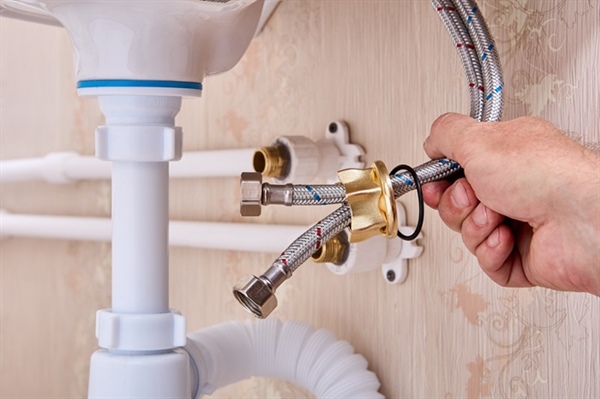
Water quality influences how long plumbing components last and how efficiently HVAC equipment operates. Minerals, sediment, and dissolved contaminants move through both systems every day, shaping performance and wear patterns over time. Hard water can leave deposits inside plumbing lines, coat heating system components, and reduce the effectiveness of humidifiers attached to furnaces. Poor filtration can also introduce particles that accumulate on HVAC coils and reduce airflow. Understanding these interactions helps homeowners maintain equipment that runs consistently and avoids premature failure.
In regions like Schenectady, where winter temperatures place heavy demand on heating systems and household water, the connection becomes even more apparent. Mineral-heavy water can stress boilers, water heaters, humidifiers, and copper or PEX lines. At the same time, HVAC components that rely on clean moisture or air flow may struggle when scale and sediment begin to accumulate. The sections below explore how water hardness, filtration, and testing influence both plumbing longevity and HVAC performance.
How hard water affects furnace humidifiers and plumbing systems
Hard water contains elevated levels of calcium and magnesium. When this water is heated or evaporated inside a furnace-mounted humidifier, minerals are left behind as solid deposits. Over time, these deposits accumulate on humidifier pads, distribution trays, and valves, reducing moisture output and lowering the unit’s ability to regulate indoor humidity. Restricted water flow can cause the humidifier to run longer cycles, increasing water use and placing additional strain on the furnace.
Inside plumbing systems, hard water accelerates wear in several ways. Mineral deposits accumulate on the interior walls of pipes, gradually reducing flow rate and increasing friction losses. Appliances such as water heaters face even greater exposure, since heating hard water accelerates scale formation. Scale buildup around heating elements reduces efficiency and forces the appliance to use more energy to reach set temperatures. Fixtures may also show visible signs of mineral saturation, including clogged aerators and reduced water pressure.
Because minerals do not break down naturally, scale continues to accumulate unless the water supply is treated. This increases stress on pumps, valves, water heaters, and humidifiers, often leading to premature component failure. Homes in regions with moderate to high hardness typically see faster equipment degradation when no corrective treatment is used.
Benefits of installing water softeners in cold climates
Cold climates place heavy demand on water heaters, boilers, and furnace-mounted humidifiers. Water softeners reduce mineral concentration by exchanging calcium and magnesium ions with sodium or potassium. This prevents scale formation inside heating equipment and plumbing lines, improving both energy efficiency and overall system lifespan.
Softeners help water heaters and boilers maintain stable heat transfer. Without mineral deposits coating heat exchangers, these appliances operate closer to their original efficiency rating. This is particularly important during winter months, when sustained heating demand places long cycles on the equipment. The reduced strain lowers energy consumption and decreases the likelihood of overheating or early failure.
In addition to protecting mechanical components, softened water improves fixture performance throughout the home. Faucets maintain consistent flow, appliances such as dishwashers operate more effectively, and washing machines experience less internal scaling. In colder regions, where water hardness can combine with seasonal demands to accelerate wear, softening systems offer substantial long-term savings.
How scale buildup impacts both pipes and HVAC coils
Scale accumulation narrows plumbing passageways and increases internal resistance. As pipes constrict, flow becomes turbulent, placing additional stress on joints, valves, and fixtures. Over time, pressure imbalances can occur, leading to noisy plumbing, inconsistent supply, and potential leakage at weak points. In extreme cases, scale buildup can reduce pipe diameter significantly, lowering overall system performance.
HVAC coils face similar problems. When minerals or sediment circulate through humidifier or hydronic systems, deposits can form on coil surfaces. Even thin layers interfere with heat transfer, forcing the furnace or air handler to work harder to achieve the same temperature output. Reduced heat transfer often results in longer run times, uneven temperatures, and increased operating costs.
Scale deposits can also trap airborne contaminants on coil surfaces. When airflow is restricted, the blower must work harder, increasing electrical consumption and shortening motor life. As efficiency falls, the system becomes more prone to temperature swings and reduced comfort. Managing scale through water treatment and regular maintenance helps maintain optimal performance in both plumbing and HVAC components.
What filtration options improve both water and air quality
Improving water quality often improves HVAC performance as well, especially in systems involving humidifiers, boilers, or hydronic components. Whole-house filtration can remove sediment, chlorine, and particulate matter before water reaches mechanical equipment. Sediment filters protect valves and heat exchangers from abrasive particles, while carbon filters reduce contaminants that can degrade seals or corrode metals.
For air quality, HVAC filtration removes dust, pollen, and airborne particles before they reach the coil or blower assembly. When combined with clean water in humidifier systems, this reduces the accumulation of residue on heat exchangers and evaporator coils. Filtration prevents the mixing of mineral residue and airborne debris, which often forms stubborn deposits that reduce airflow.
Some homes benefit from advanced filtration such as reverse osmosis, which removes dissolved minerals from water, or high-efficiency particulate filters in air handlers. When water and air quality are controlled together, both plumbing and HVAC systems require less maintenance and operate closer to their designed capacity.
How often water testing should be done in Schenectady homes
Water quality varies across Schenectady due to differences in source supply, pipe age, and seasonal conditions. Annual testing is recommended for most homes to track hardness levels, pH balance, and potential contaminants. Homes with well water should test more frequently because mineral concentration and sediment load can fluctuate throughout the year.
Testing helps homeowners determine whether scale management, filtration, or softening systems need adjustment. It also provides early indication of corrosive water conditions, which can affect copper lines, water heater tanks, and boiler components. Routine testing protects plumbing infrastructure and helps ensure heating systems operate with consistent water quality.
Regular evaluation becomes even more important in homes that rely on humidifiers or hydronic heating. Because these systems use water directly as part of their operation, changes in water chemistry can influence performance quickly. Annual or semiannual testing gives homeowners clear insight into how their water supply interacts with mechanical systems.
How Duell Plumbing & Heating supports long-term water and HVAC performance
Water quality affects both plumbing and HVAC equipment, and understanding these interactions is essential for long-term system reliability. Duell Plumbing & Heating evaluates mineral levels, scale patterns, and equipment condition to help homeowners identify how water chemistry influences their heating and plumbing systems. Their team inspects humidifiers, water heaters, boilers, and plumbing lines for signs of mineral buildup or corrosion.
Maintenance and treatment recommendations are based on the home’s water profile and the mechanical systems involved. By addressing hardness, sediment, and contaminants early, homeowners can prevent costly repairs, extend equipment lifespan, and maintain consistent heating performance.
Duell Plumbing & Heating is located in Schenectady, NY 12302, and can be reached at 518-384-1567. Homeowners can schedule service or request water testing through the contact us page for support with concerns related to water quality, plumbing longevity, and HVAC efficiency.