You Need a Sewer Line Inspection at Home
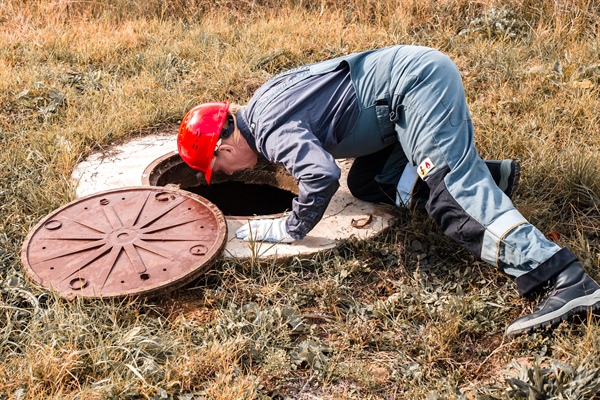
Many homeowners do not think about their sewer line until there is a major plumbing issue disrupting everyday life. A damaged or blocked sewer line can create unpleasant odors, slow drainage, recurring clogs, and even sewage backups that threaten the safety and comfort of a home. Recognizing the early warning signs can help prevent costly repairs and water damage while protecting the plumbing system from more serious problems. In many cases, symptoms begin gradually and worsen over time, making it important to understand when a professional sewer line inspection may be necessary.
Homeowners often notice unusual plumbing behaviors before a sewer line problem becomes severe. Multiple drains clogging at once, gurgling noises in pipes, persistent sewage odors, and slow-moving drains can all point to hidden issues underground. Tree root intrusion, aging pipes, grease buildup, shifting soil, and corrosion are common causes of sewer line damage in residential homes. Duell Plumbing & Heating has extensive experience helping homeowners identify plumbing warning signs and understand what may be happening beneath the surface before small issues develop into emergency repairs.
Why Does My House Smell Like Sewage?
A sewage smell inside a home is often one of the earliest warning signs of a sewer line problem. Sewer gases are designed to remain sealed inside the plumbing system, but damaged pipes, dried-out drain traps, cracked sewer lines, or clogged vents can allow those odors to enter living spaces. The smell is usually strongest near drains, basements, bathrooms, laundry rooms, or utility areas where plumbing connections are located. In some cases, the odor may appear intermittently, especially after running water or using multiple fixtures.
One common cause of sewage odors is a damaged or leaking sewer pipe beneath the home or yard. Older sewer lines made from clay, cast iron, or Orangeburg piping can deteriorate over time due to age, corrosion, or soil movement. When cracks form in these pipes, sewer gases escape and travel through the surrounding soil or foundation openings into the home. Tree roots are another frequent cause of sewer line damage because they naturally seek moisture and can penetrate even small openings in underground piping systems.
Ventilation problems within the plumbing system can also contribute to sewage smells. Plumbing vents regulate pressure and direct sewer gases safely outside through the roof. When vents become blocked by debris, nests, snow, or other obstructions, sewer gases may back up into the home instead. Many homeowners dealing with persistent odors eventually require a professional sewer line inspection to identify hidden leaks, cracks, or blockages that are not visible from the surface.
Why Are Multiple Drains Clogging at the Same Time?
When several drains in a home begin clogging simultaneously, the issue often points to a problem deeper within the main sewer line rather than isolated fixture blockages. A single clogged sink or shower drain is usually caused by localized buildup such as hair, soap residue, or grease. However, when toilets, tubs, sinks, and floor drains all begin draining slowly or backing up together, the obstruction is often located in the primary sewer line that carries wastewater away from the home.
Main sewer line clogs can develop from years of grease accumulation, flushing non-degradable materials, invasive tree roots, or pipe collapse. As the blockage grows, wastewater struggles to move through the system efficiently. The lowest drains in the home, such as basement floor drains or lower-level showers, are typically the first areas to show symptoms because gravity causes wastewater to back up there first. Ignoring these signs can eventually lead to sewage entering the home, which creates both structural and health concerns.
Recurring multi-drain clogs often indicate that professional diagnostics are necessary to determine the exact location and severity of the blockage. Comprehensive plumbing services can help identify whether the issue involves root intrusion, pipe damage, heavy debris buildup, or improper drainage slope. Experienced plumbing professionals frequently use sewer camera technology to inspect underground lines without unnecessary excavation.
Can Slow Drains Indicate Sewer Line Damage?
Slow drains are one of the most commonly overlooked indicators of sewer line trouble. While many homeowners assume a slow drain is caused by a simple clog near the fixture, widespread slow drainage throughout the house may signal a developing sewer line obstruction or pipe deterioration. The warning signs often begin gradually, with water taking longer to drain from sinks, tubs, showers, or toilets before becoming progressively worse over time.
Damaged sewer lines restrict the normal flow of wastewater leaving the home. Cracks, collapsed pipe sections, root intrusion, corrosion, and grease buildup can all reduce the interior diameter of the pipe, making drainage increasingly inefficient. In some cases, soil settling or shifting underground may also cause sections of the sewer line to sag, creating low spots where debris accumulates and obstructs water flow. These problems may not create complete backups immediately, which is why slow drainage is often one of the first noticeable symptoms.
Persistent slow drains throughout multiple fixtures typically warrant further investigation because they may indicate conditions that continue worsening beneath the surface. Sewer line damage can eventually progress into sewage backups, pipe collapse, or extensive water damage if left untreated. In colder climates like Minneapolis, aging underground piping systems may also become vulnerable to freeze-related stress and shifting soil conditions that accelerate deterioration over time.
What Causes Gurgling Sounds in Plumbing Pipes?
Gurgling sounds in plumbing fixtures are usually caused by trapped air within the drainage system. When wastewater cannot move properly through the pipes, air pockets develop and create bubbling or gurgling noises as water drains. These sounds are commonly heard in toilets, sinks, bathtubs, or floor drains and often indicate an issue involving sewer line blockage, improper venting, or restricted pipe flow.
A partially blocked sewer line frequently creates pressure imbalances within the plumbing system. As wastewater attempts to move past an obstruction, trapped air is forced backward through nearby drains and fixtures. Homeowners may hear bubbling in the toilet when using a sink or shower, which is a strong indication that multiple fixtures are connected to the same restricted drainage system. The more severe the blockage becomes, the louder and more frequent the noises may become.
Blocked plumbing vents can also contribute to gurgling sounds because vents regulate airflow within the drainage system. Without proper ventilation, water movement creates suction that pulls air through nearby drains. In some situations, gurgling noises occur before major backups develop, making them an important early warning sign. Identifying the exact source often requires a detailed inspection of the drainage and venting system to determine whether the issue stems from a clog, vent obstruction, or damaged sewer piping.
How Do Sewer Backups Start in Residential Homes?
Sewer backups usually begin when wastewater is unable to flow properly through the main sewer line. As blockages or damage restrict movement, wastewater reverses direction and re-enters the home through drains, toilets, showers, or basement floor drains. Because the main sewer line serves the entire home, backups can quickly affect multiple plumbing fixtures simultaneously and often create significant sanitation concerns.
Tree root intrusion is one of the leading causes of residential sewer backups. Roots naturally seek moisture and can infiltrate tiny cracks or pipe joints underground. Once inside the sewer line, roots continue expanding and trapping debris, grease, and waste until severe blockages form. Aging pipes are also highly susceptible to cracking, corrosion, and collapse, especially in older homes with outdated sewer materials. Grease buildup, flushing wipes or hygiene products, and heavy sediment accumulation can further contribute to restricted flow conditions.
In some cases, municipal sewer overload during heavy rainfall can also contribute to backups if local systems become overwhelmed. Homes with existing sewer line damage are especially vulnerable during these events because compromised pipes cannot handle sudden increases in water flow efficiently. Homeowners who notice recurring drainage issues, sewage odors, or slow-moving fixtures often benefit from early sewer evaluations before a full backup occurs. Duell Plumbing & Heating in Minneapolis understands how hidden sewer problems can escalate and provides professional diagnostics designed to identify underground plumbing concerns before major damage develops.
Protect Your Home With Professional Sewer Line Inspections
At Duell Plumbing & Heating, we understand how stressful sewer line problems can become for homeowners. Strange plumbing noises, sewage odors, recurring clogs, slow drains, and sewer backups are often signs of hidden issues underground that require professional attention. Our team works closely with homeowners to identify the source of plumbing concerns and provide thorough inspections that help prevent larger and more expensive repairs down the road.
We use advanced sewer inspection methods to evaluate underground piping systems, identify root intrusion, locate blockages, and assess aging sewer lines with accuracy. Whether you are noticing multiple drains clogging at once or dealing with persistent plumbing odors, our experienced technicians can help determine the cause and recommend the most effective solution for your home. Our goal is to help homeowners protect their plumbing systems while minimizing disruption and unexpected damage.
If you are experiencing warning signs of sewer line trouble, contact Duell Plumbing & Heating today. Our team proudly serves homeowners throughout Minneapolis with trusted plumbing expertise and responsive customer care. Call us at (763) 425-7831 or visit us at 7200 Hemlock Lane N, Maple Grove, MN 55369 to learn more or schedule service with our team.